

Same Script, Different Empire
From Roman currency debasement to American financialization—plus the mogul who turned crisis into cash

Hello and Happy Friday, friends.
The biggest and most obvious news story this week is the explosive situation between Israel & Iran. Anecdotally, as my wife is Persian, I have many stories about family members fleeing into the countryside. Dark times for everybody.
The big question here is, if Ayatollah Khamenei falls (which would generally be positive for mankind), what comes after him?
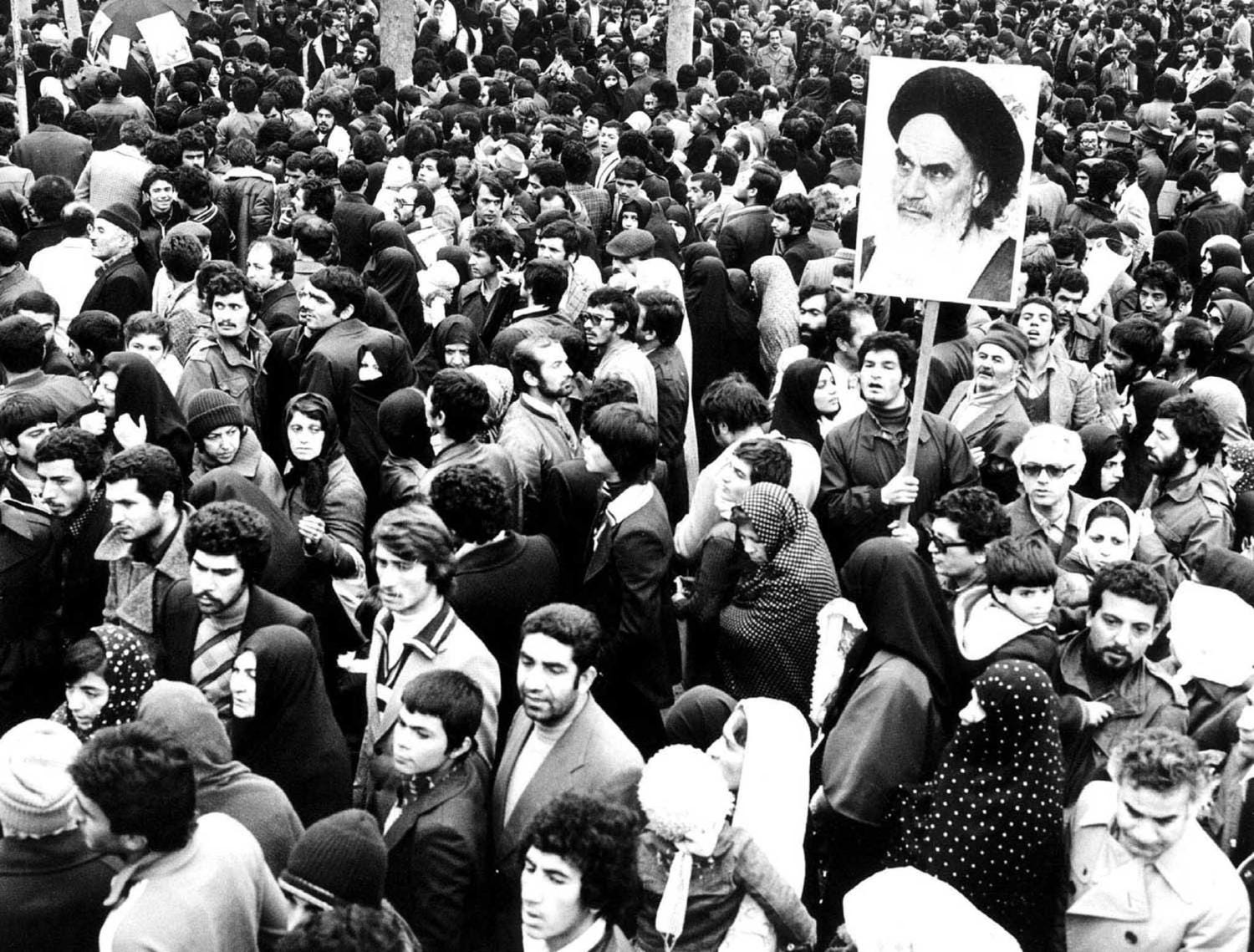
The West has a relatively poor track record on regime change. Iran has a huge, educated, prosperous, and pro-Western middle class population - and it would seem like in removing a hated dictator, we’d be helping to plant a vibrant democracy. However, it is worth remembering that the first Ayatollah (Khomeini) came to power on the back of student protests against the Shah of Iran. Said differently - he co-opted a pro-democracy movement and we got an Islamic Theocracy out of it.
There’s no reason this time would be different.
Coming Tomorrow: The LONG Insurance Cycle
Before we dive into this week's five timeless insights, mark your calendar for tomorrow's deep dive on The LONG Insurance Cycle and its profound influence on asset pricing, particularly real estate. This piece examines one of the most overlooked yet powerful forces that has shaped property values across decades. If you're serious about understanding what drives real estate markets beyond the obvious supply-and-demand narrative, this is required reading.
Also, if you didn’t know, we have a YouTube channel. It’s small. It’s mighty. Check it out and subscribe if you like the content.
And now, friends, for your Timeless Five
1. When Trust Dies, Empires Fall
This Week's Historical Deep Dive
Our latest piece explores how entire civilizations collapse not from external invasion, but from internal erosion of trust. We examined three case studies:
Rome: Currency debasement and the collapse of civic duty
Weimar Germany: Hyperinflation and the breakdown of monetary confidence
Ottoman Empire: Administrative corruption and loss of legitimacy
The lesson? Every empire is built on belief. No amount of gold, silver, or military might can repair the damage when that belief collapses. Today's fiat system relies entirely on trust—making this historical pattern more relevant than ever for modern investors.
When systems inflate and discipline erodes, the collapse isn't loud—but it is slow and irreversible.
2. The Great Decoupling: When Global Money Stops Flowing to America
Market Forces in Motion
Our analysis this week examined what happens when the world ceases to be so globalized—and the implications when less global capital pours into the United States seeking yield.
Key insights:
U.S. financial services now account for over 20% of GDP
Manufacturing has dropped below 11% (down from 25% in the 1950s)
We're following Britain's playbook: from production to financialization
The risk? Like Britain before us, we may discover that when capital flows reverse, there's less real foundation beneath our economy than we thought. Smart investors are positioning for a world where scarcity matters more than liquidity.
3. Marcus Licinius Crassus: The Original Real Estate Mogul
New Podcast Episode
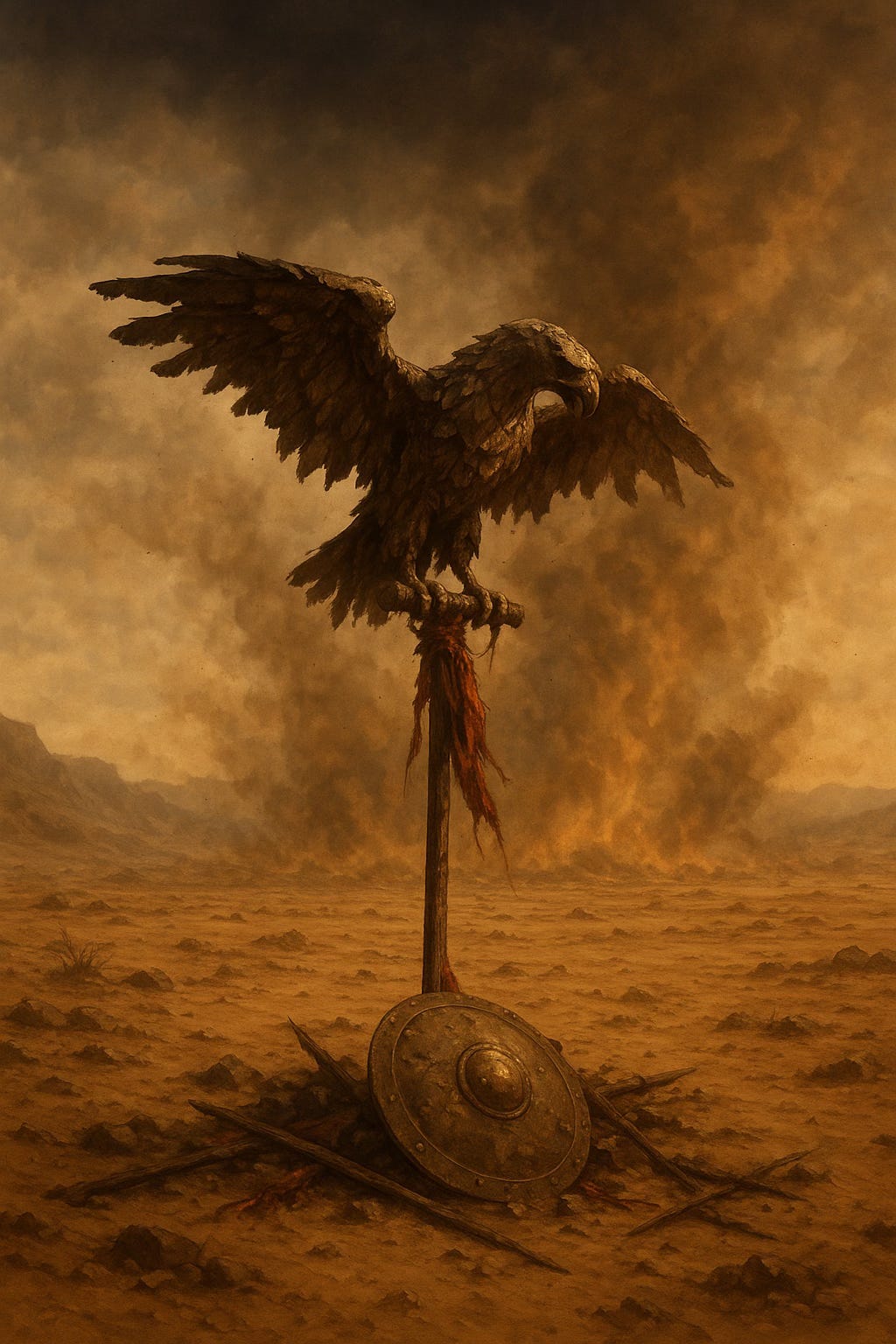
This week's podcast tells the extraordinary story of Marcus Licinius Crassus—the man who rose from orphaned, penniless exile under threat of death to become Rome's first proper real estate mogul, only to meet his inglorious end in the Parthian desert.
Crassus engineered a monopoly on disaster. When fires broke out in Rome (a daily occurrence), his private fire brigade wouldn't act until property owners sold to him at distressed prices. Coercive? Absolutely. Profitable? Enormously.
His lesson remains timeless: crises create opportunities. The greatest real estate fortunes are built by those willing to buy when others are forced to sell.
4. The Fed Holds Steady as Markets Navigate Geopolitical Storm
This Week's Market Reality
Wednesday's Federal Reserve decision kept rates unchanged, as expected, but Chair Powell's comments revealed the central bank remains in "wait and see" mode regarding tariff impacts on inflation. Meanwhile, the Israel-Iran conflict sent oil prices surging and defensive assets rallying.
Key market developments:
S&P 500 just 1.7% from record highs despite April's 15% decline
U.S.-China trade framework emerging: tariffs potentially dropping from 145% to 55%
Small-cap stocks trading at 20% discount to fair value
The takeaway? After the post-"Liberation Day" recovery, markets are betting on negotiated solutions rather than prolonged trade wars. But volatility remains elevated as geopolitical risks multiply.
5. June 20th in History: The Tennis Court Oath
240 Years Ago Today
On this day in 1789, deputies of France's Third Estate—locked out of their meeting hall at Versailles—gathered on a tennis court and took the historic Tennis Court Oath. They pledged not to separate until a written constitution had been established for France.
This seemingly modest act in humble surroundings sparked the French Revolution and changed the course of world history. It reminds us that the most consequential moments often happen when ordinary people decide the existing system no longer serves them.
Sound familiar? When societies restrict opportunity—intentionally or otherwise—the result is often upheaval. Land ownership, in particular, has been the spark for revolution across centuries. From the Gracchi Brothers in Rome to the French peasantry to the Russian serfs, the pattern repeats: when people lose stake in the system, they stop protecting it.
The Bottom Line
This week's theme connects ancient Rome to modern America, financial empires to real assets, and historical patterns to current market opportunities. Whether it's Crassus profiting from crisis, Spain's currency debasement, or Britain's hollow financialization, the lessons are clear:
Trust is fragile. Assets are eternal. Position accordingly.
The wheel turns ever onward.
Think Well. Act Wisely. Build Something Timeless.
Ready to dive deeper? Tomorrow's piece on The LONG Insurance Cycle will show you exactly how this overlooked force has shaped real estate cycles for over a century—and what it means for your portfolio today.